- Popular countries
- Popular regions
- Popular cities
- Popular airports
- Car hire United Kingdom
- Car hire Italy
- Car hire Spain
- Car hire United States
- Car hire Portugal
- Car hire Greece
- Car hire France
- Car hire Poland
- Car hire Ireland
- Car hire Cyprus
- Car hire Netherlands
- Car hire South Africa
- Car hire Switzerland
- Car hire Croatia
- Car hire Canada
- Car hire Malta
- Car hire Germany
- Car hire Hungary
- Car hire Norway
- Car hire Australia
- Car hire England
- Car hire Sicily
- Car hire Scotland
- Car hire Florida
- Car hire Sardinia
- Car hire Malta
- Car hire California
- Car hire Crete
- Car hire Lanzarote
- Car hire Majorca
- Car hire Menorca
- Car hire Tenerife
- Car hire Rhodes
- Car hire Fuerteventura
- Car hire Corsica
- Car hire Kefalonia
- Car hire Madeira
- Car hire Corfu
- Car hire Ibiza
- Car hire Gran Canaria
- Car hire London
- Car hire Faro
- Car hire Malaga
- Car hire Milan
- Car hire Lisbon
- Car hire Rome
- Car hire Alicante
- Car hire Dublin
- Car hire Manchester
- Car hire Porto
- Car hire Amsterdam
- Car hire Larnaca
- Car hire Geneva
- Car hire Luqa
- Car hire Bergamo
- Car hire Athens
- Car hire Budapest
- Car hire Pisa
- Car hire Orlando
- Car hire Palermo
- Car hire London Heathrow Airport
- Car hire Faro Airport
- Car hire Lisbon Airport
- Car hire Malaga Airport
- Car hire London Gatwick Airport
- Car hire Alicante Airport
- Car hire Manchester Airport
- Car hire Dublin Airport
- Car hire Larnaca Airport
- Car hire Porto Airport
- Car hire Malta Airport
- Car hire Bergamo Airport
- Car hire Athens Airport
- Car hire Budapest Ferihegy Airport
- Car hire Rome Fiumicino Airport
- Car hire Geneva Airport (Switzerland)
- Car hire Amsterdam Schiphol Airport
- Car hire Milan Malpensa Airport
- Car hire Pisa Airport
- Car hire Orlando International Airport

20 Top Attractions in Switzerland
Exploring the Spectacular Swiss Alps in a Rental Car
Switzerland is nestled between the major European vacation destinations of Germany, France, and Italy, and has taken on elements from all three. In addition to typical Swiss specialties (cheese fondue, rösti), you’ll find hints of German, French, and Italian culture. And the landscape is second to none. In Switzerland, you’ll drive through breathtaking natural beauty and past panoramic views that feel almost surreal.
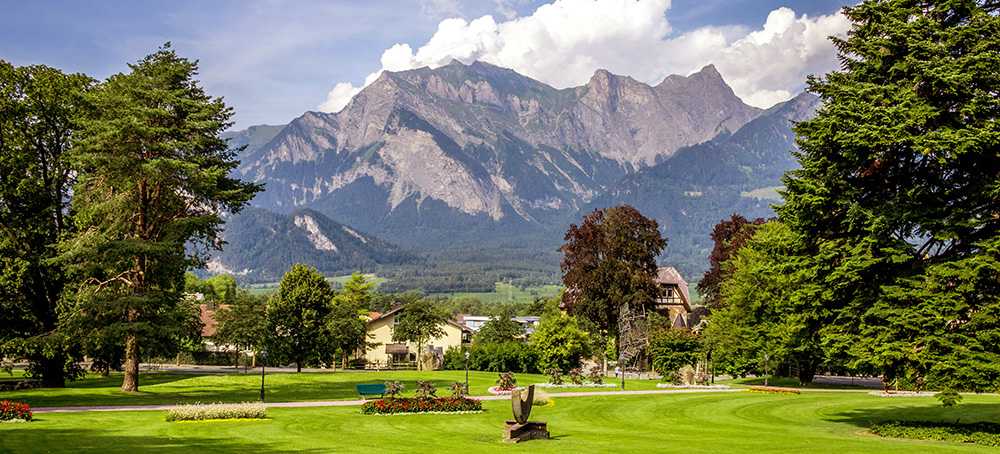
The best way to enjoy Switzerland is to rent a car and hit the road. That way, you can decide for yourself where to drive and where to stop. And yet, you should also set that rental car aside for a day and take the train. Because some train journeys in Switzerland are too beautiful to pass up. We’ll tell you more about them below in a detailed account of a road trip through Switzerland. Completing this entire road trip will take too much time for most people, but you’re sure to pick out some highlights for your next vacation with a rental car in Switzerland!
By far the busiest airport in the country is Zurich Airport, making that city a perfect starting point for your road trip. You can also rent a car at the Zurich train station. Speaking of trains: if you take the train to Basel, you can reserve a rental car at the train station there. Switzerland’s second-busiest airport is Geneva Airport, so you can start your trip there as well.
1. Zurich
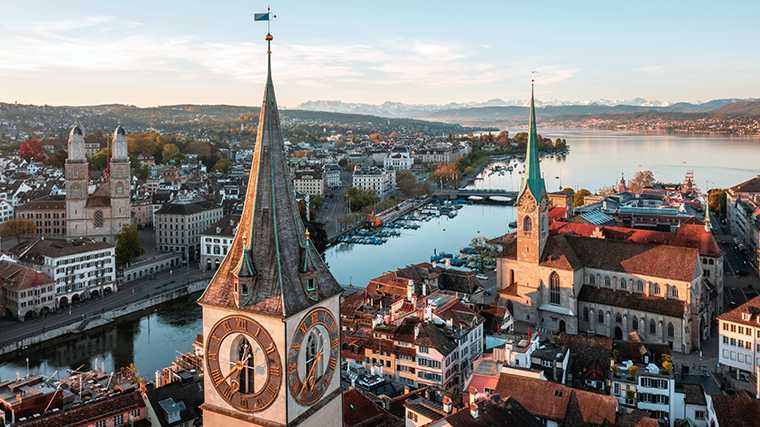
Many people see Zurich as nothing more than a stopover on the way to the Alps—after all, isn’t it just full of banks and other financial institutions? Not at all—Zurich has much more to offer, and it’s actually a shame to skip this city. Take the Altstadt, for example—the historic center along the Limmat River. From the Münsterbrücke bridge spanning the river, you can see the elegant buildings of the old town lining the banks, including two impressive churches: the slender, pointed tower of the Fraumünster on the left bank and the two squat towers of the Grossmünster on the right bank. You can climb one of those two towers for a fantastic view of the city. You’ll also enjoy a beautiful view from Lindenhofplatz, which sits high above the Limmat on the site of a Roman-era fort.
Bahnhofstrasse is Zurich’s main shopping street—and the most expensive one in a city that’s already far from cheap. In fact, it ranks among the top 10 most expensive streets in the world. So don’t expect to find any bargains here. You probably won’t find any on Augustinergasse either, but it is a beautiful, historic, and colorful shopping street lined with one boutique after another.
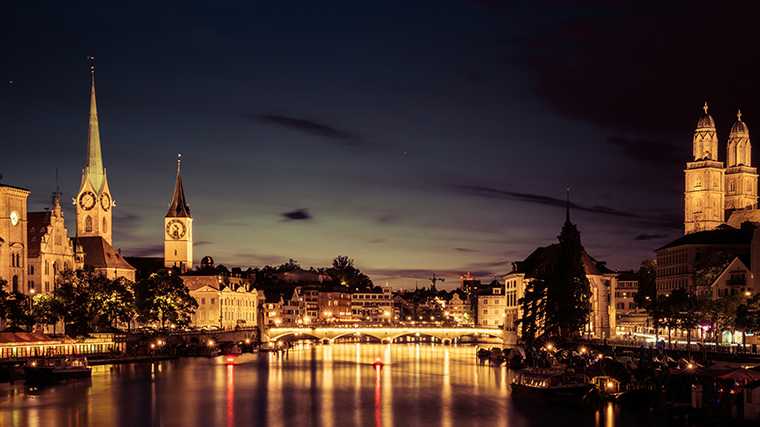
The Limmat flows out of Lake Zurich, and it’s wonderful to stroll along the lake’s shores, especially in the evening. A two-kilometer-long promenade runs from Bellevueplatz to the Strandbad Tiefenbrunnen, which is very popular on hot summer days. Zurich’s most charming neighborhood is undoubtedly Niederdorf, centered around the small Hirschen-Platz square. In the surrounding streets, you’ll find countless bars, restaurants, and a few nightclubs.
Art lovers will find plenty to enjoy at the Kunsthaus, no matter which art movement you prefer. This museum houses art from the Middle Ages to the present, including paintings, sculptures, installations, graphic art, photographs, videos, and digital works.
The Swiss architect Le Corbusier built his last home in Zurich, and it is now a museum dedicated to his work.
2. Kyburg Castle
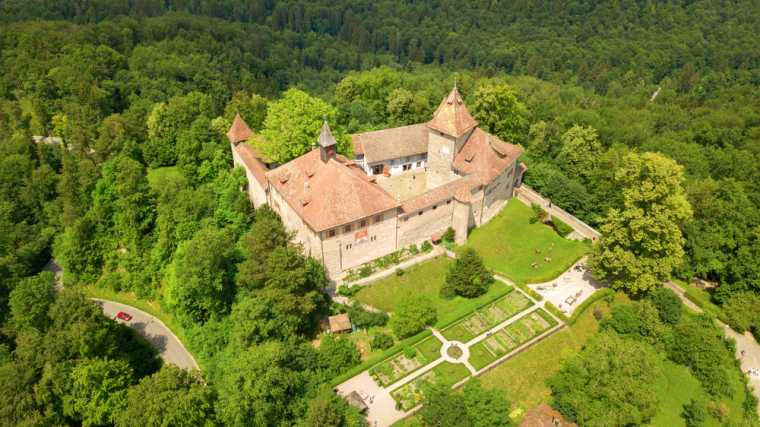
Winterthur has a nice downtown area, but the main attraction is located nine kilometers outside the city: Kyburg Castle. You drive across a small covered wooden bridge over the Töss River and then up a winding road to the charming village of Kyburg, 150 meters above the river. It’s a very picturesque village with cobblestone streets, half-timbered houses, and an old church. The friendly atmosphere alone makes a visit to this village and the local restaurant well worth it. You can park your rental car on the outskirts of the village.
The castle is nearly a thousand years old and one of the few castles from that era that have been well preserved. There is no guided tour, so you can explore every nook and cranny of this castle entirely at your own pace. The castle garden is filled with vegetables, medicinal herbs, and flowers. A path runs along the defensive wall, offering a stunning panoramic view.
Kids won’t get bored here—they can play with wooden toys or go on a hunt for the dragon that lives here. On certain days, there are special tours for children, where they learn how medieval knights’ children lived and what they had to learn.
3. St. Gallen
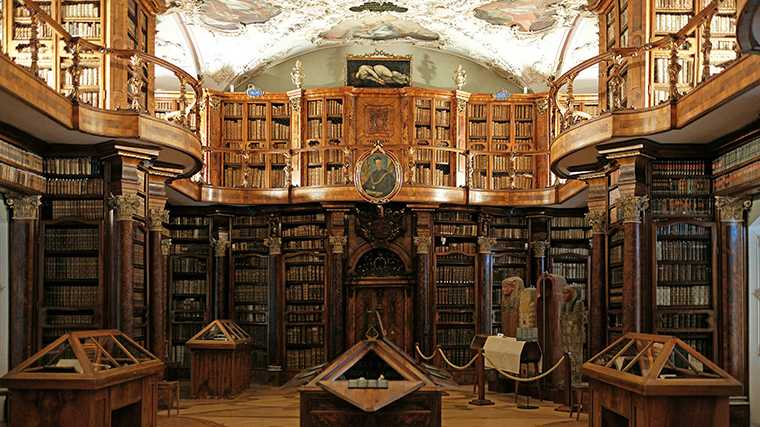
The city of St. Gallen is named after a monk from Ireland who was buried here in the seventh century. He was called Gallus (the Celt), and a hundred years after his death, an abbey was founded in his name. This monastery was not merely a religious center; its abbots also exercised secular power over a large area in eastern Switzerland. The city center consists of beautiful, old houses with strikingly ornate bay windows. It’s wonderful to wander through historic St. Gallen, but the city’s top attraction is the old monastery, which was rebuilt in the Baroque style in the 18th century. The twin-towered cathedral was also added at that time. Behind the cathedral lies the Stiftsbibliothek, one of the most beautiful libraries in the world, housing priceless ancient books and manuscripts.
On the south side of the city, you can take a small cable car through a tunnel to the village of Mühlegg. From the terminus, walk to the top of the Freudenberg, where three small lakes (Drei Weieren) are located. On warm summer days, you can swim there. If you’ve rented a car, you can park at the Frauenweiher, a name that dates back to the time when men and women were strictly required to swim there separately. From the hill, you’ll have a fantastic view of the surrounding area all the way to Lake Constance and, on the other side, the Appenzell region.
4. Appenzellerland – Seealpsee
If you drive from St. Gallen toward the beautiful town of Appenzell, you’ll pass through a charming landscape of rolling alpine meadows with grazing cows, which produce the milk for the famous Appenzeller cheese. Stop at the Appenzeller Schaukäserei in the village of Stein to learn all about how this cheese is made. Of course, you can also taste and buy cheeses there.
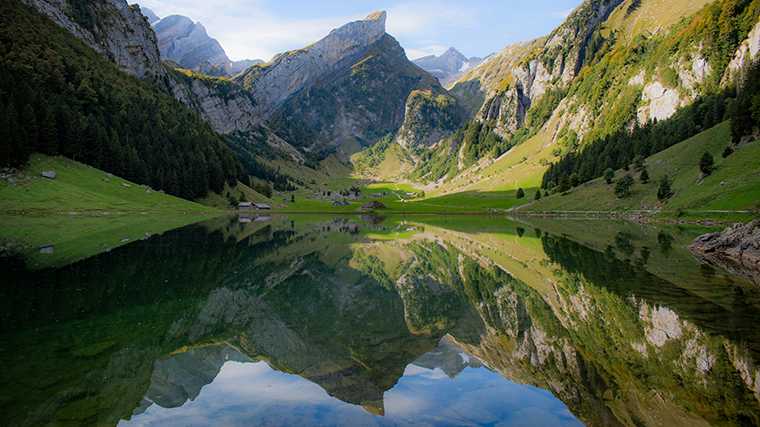
Further south, the Appenzell region is bordered by the Alpstein mountain range. Surprisingly, hiking here is quite accessible, as there are often cable cars that take you to the starting points of the trails, such as the peaks of Säntis, Kronberg, and Hoher Kasten. That is not the case for the trail to Seealpsee, one of the most beautiful Swiss alpine lakes.
There are two ways to hike to this lake; for both, you’ll park your rental car in the hamlet of Wasserauen. The first route goes straight ahead from the parking lot along a paved road. The other route is more scenic; for that, follow the unpaved trail that veers left behind the Hotel Alpenrose. You’ll then pass a waterfall, caves, and mountain huts. The best part is taking one route up and the other on the way back. Keep in mind that both routes have a fairly steep section. Once at the top, you’ll be amazed by the sight of the Seealpsee nestled among the steep mountains. There are two restaurants where you can take a break, and both also rent rowboats.
5. Klausen Pass
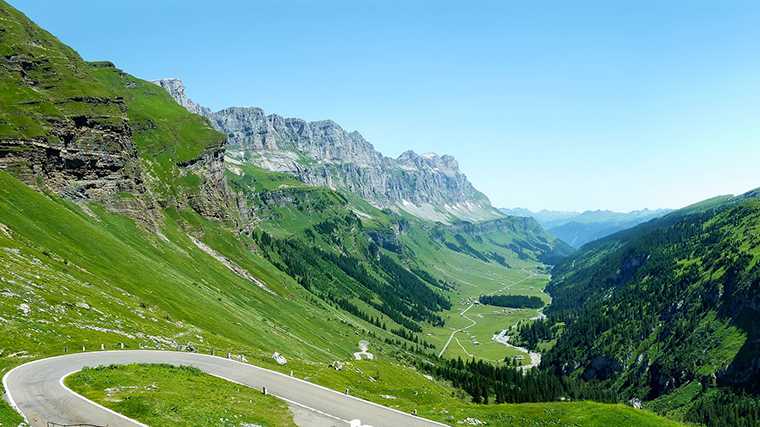
Why should you rent a car in Switzerland? To take beautiful drives through the mountains, of course! One of those stunning routes runs through the Glarus Alps from Glarus to Altdorf over the Klausen Pass. Glarus is about an hour and a half’s drive from Appenzell. You can drive there via the eastern side of Lake Zurich or via the A13 highway, which runs right along the border with Liechtenstein and then along Lake Walen.
From Glarus Süd, you’ll navigate several sharp hairpin turns, but the road is fairly wide, so it’s manageable. You do need to watch out for motorcyclists and cyclists, though—the former because they almost always ride fast, and the latter because they can descend at high speeds. Along the way, you’ll enjoy fantastic views. This is where it comes in handy to have rented a car with a second driver, so you can take turns at the wheel. There are several stops along the way where you can take walks to waterfalls (Stäubi, Berglistüber, Diesbach) or the small lake Gletscherseeli. Unfortunately, little remains of the glacier, but the sight of the turquoise water nestled between the steep cliffs is still impressive.
Altdorf is the place where, according to legend, William Tell shot an apple off his son’s head with a crossbow. A statue of him and his son stands in the town square.
6. Schöllenen Gorge
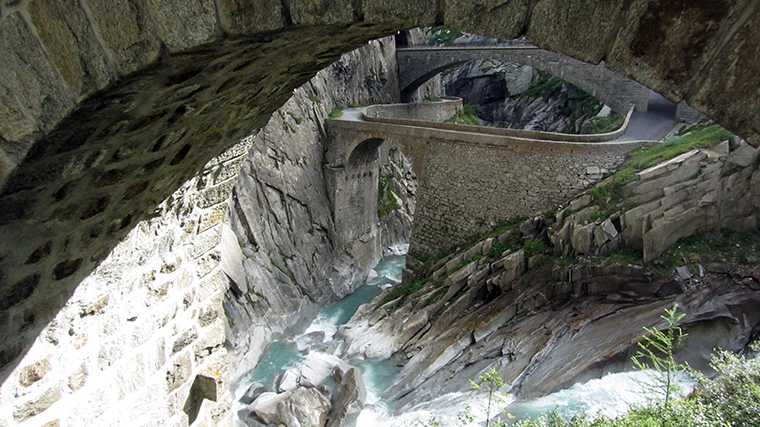
You can drive from Altdorf to Locarno in less than two hours on the A2 highway, but you’d be missing out if you didn’t take a detour off the highway and head toward Andermatt. Taking the Gotthardstrasse, you’ll drive through the deep Schöllenenschlucht gorge. The Teufelsbrücke was built in the sixteenth century over the small Reuss River. In the early eighteenth century, a new bridge was built over the old one. This ravine is a maze of bridges, viaducts, tunnels, and hairpin turns, and it’s an absolutely spectacular sight.
7. Gotthard Pass
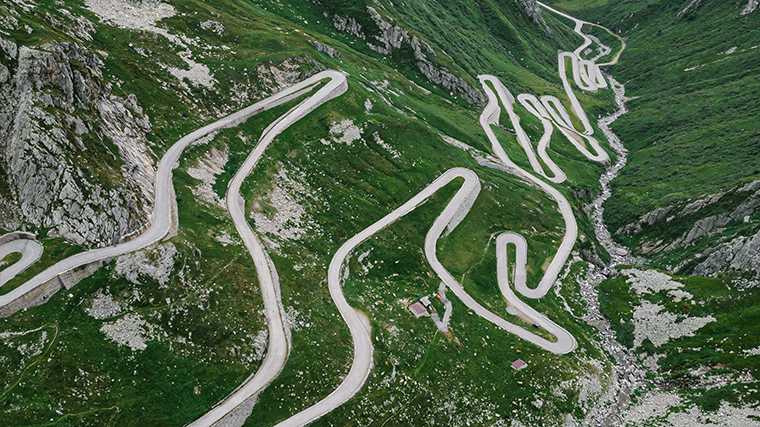
Next, you’re faced with a choice: drive back to Göschenen and head south quickly through the Gotthard Tunnel, or take the legendary Gotthard Pass? We’d always choose the latter, but perhaps you’re short on time or aren’t a big fan of hairpin turns. Because there are plenty of those on this mountain route, especially on the section called Tremola and later on, just before Airolo. But what views! It’s such a delight to drive a rental car along these winding roads. Isn’t that what Switzerland is all about? The Gotthard Pass isn’t cleared of snow in the winter; the road is usually closed from November through May.
8. Locarno / Ascona
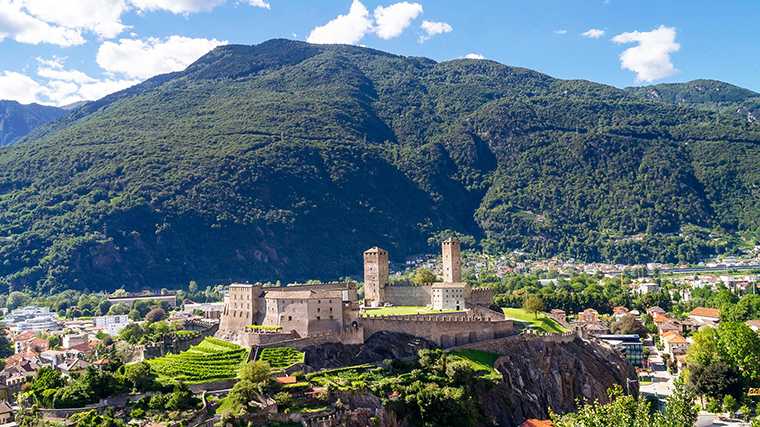
Whether you drive through the tunnel or over the pass, once you’ve crossed the Gotthard, you’re in the Italian-speaking part of Switzerland. The architecture, cuisine, and culture in this region are closely linked to neighboring Italy. From Airolo, it’s another 80 kilometers to Locarno, but if you love castles, you should make a quick stop in Bellinzona. The town boasts no fewer than three exceptionally well-preserved medieval castles: Castello di Sasso Corbaro, Castello di Montebello, and Castelgrande. For something completely different, take the cable car to Curzutt and then walk across the spectacular Ponte Tibetano (suspension bridge) over a 130-meter-deep ravine.
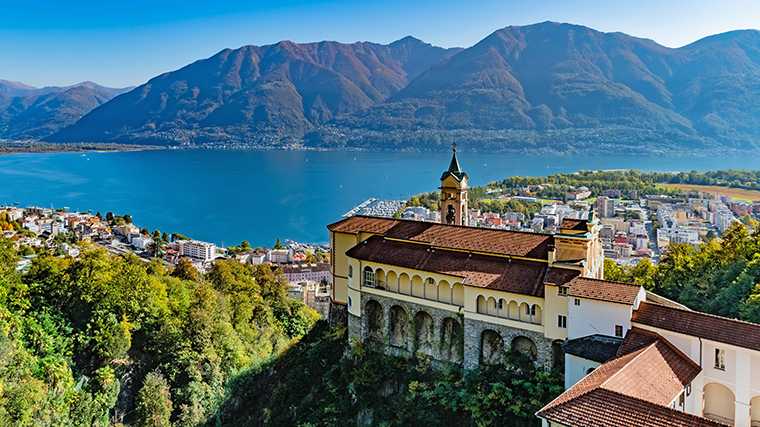
Locarno is idyllically situated on the northern shore of Lake Maggiore, the vast majority of which lies in Italy. The old town, known as Città Vecchia, is full of surprises with its boutiques, cafés, palaces, and churches. The narrow alleys, all leading to the famous Piazza Grande, exude a distinctive Mediterranean atmosphere. This large cobblestone square is the setting for events all year round and the ideal spot to grab a table on a terrace and watch the world go by.
High above the town lies the Santuario della Madonna del Sasso monastery. You’ll already have a beautiful view from there, but for a truly breathtaking panorama, take the cable car to Monte Cardada. Here you’ll find a viewing platform that juts out slightly from the rock: the Passerella panoramica di Cardada. You can take a chairlift even higher, to Cimetta. From both points, you can follow various hiking trails, ranging from easy routes to challenging hikes to the surrounding mountain peaks.
On the other side of the little Maggia River lies the charming town of Ascona. The town center is car-free, but there are several parking garages (autosilos) where you can park your rental car. The old buildings along the harbor and in the narrow streets behind it have been beautifully restored.
9. Valle Verzasca
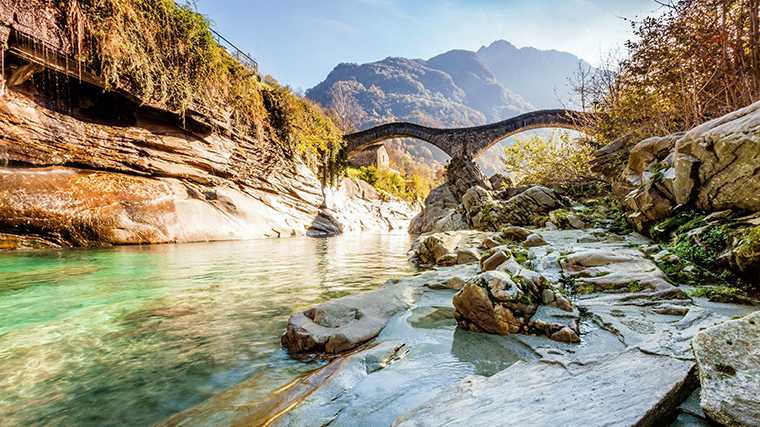
Northeast of Locarno lies a dam that holds back the waters of the Verzasca. From the dam, you have a beautiful view of the river’s deep gorge, and if you’re feeling adventurous, you can go bungee jumping there. Drive your rental car along the road on the east side of the reservoir. After passing the artists’ village of Vogorno, the water narrows again to the size of a small river. And what a river it is! Here, the Verzasca flows spectacularly over enormous boulders, forming emerald-green pools that are perfect for swimming. If the water is deep enough, you can jump in from the pedestrian bridge or the small double-arched stone bridge, Ponte dei Salti. There are also beautiful historic villages along the route, such as Corippo, Sonogno, and Frasco.
10. Zermatt / Matterhorn
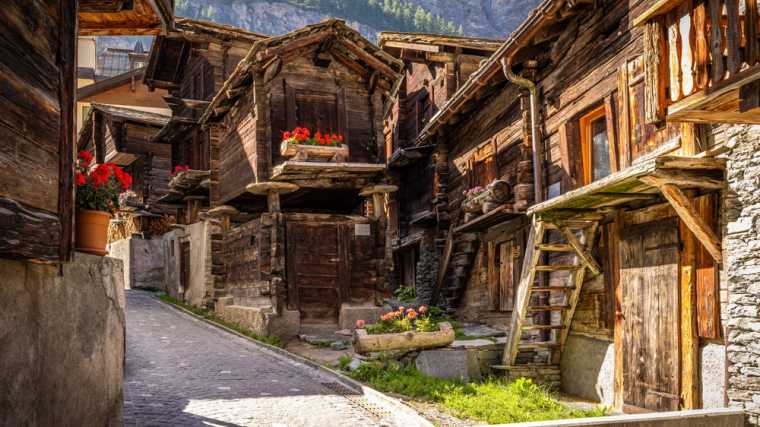
The fastest route from Locarno to Zermatt goes through Italy, but if you want to take that route, you must have specified when making your reservation that you ’ll be crossing the border. Zermatt is a popular destination for skiers, cross-country skiers, and snowboarders. Outside the winter months, you can go on challenging mountain hikes or mountain bike rides. Not much of a sports enthusiast? Then there are easy hiking trails for you. Or you can take a cable car to a beautiful viewpoint. The old part of Zermatt is called Hinterdorf and is truly unique. The wooden granaries, stables, and old houses date from the 16th to the 18th centuries, and you’ll feel as if you’ve stepped back in time. To keep pests away, some of the granaries stand on wooden posts topped with flat stones that look a bit like mushrooms.
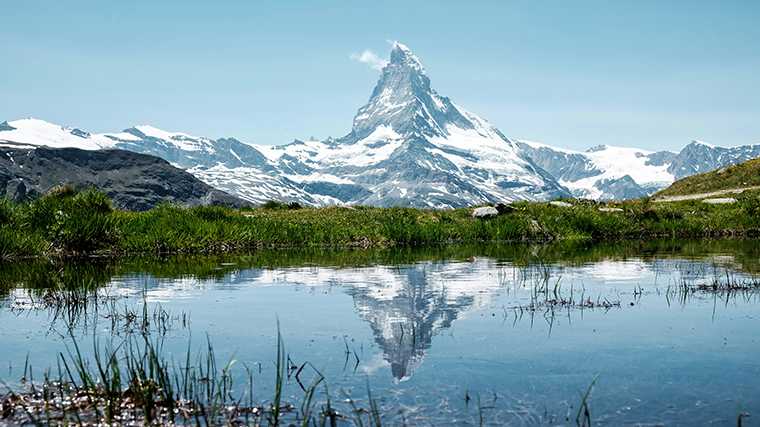
The Matterhorn is clearly visible from anywhere in Zermatt. For an even better view of this iconic mountain, leave your rental car behind for a moment and take the red cogwheel train from downtown Zermatt to the summit of the Gornergrat. This scenic ride offers breathtaking views of the Matterhorn and other four-thousand-meter peaks. The nice thing is that there are four stations between the town and the mountaintop where you can get off to explore the surroundings.
Back in Zermatt, the Matterhorn Museum is well worth a visit. Don’t be fooled by the small entrance hall—it’s the gateway to a massive underground complex. Historic houses have been reconstructed here and tell, among other things, the story of the first, ill-fated ascent of the Matterhorn in 1865. You can even see the original broken rope there.
11. Glacier 3000 / Les Diablerets
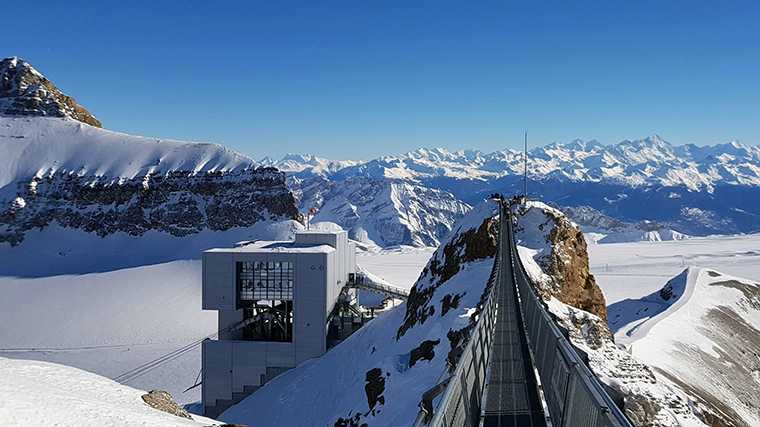
You’ll find even more high peaks in the Les Diablerets mountain range, which you can reach by cable car from Col du Pillon or Reusch, about 150 kilometers by car from Zermatt. These cable cars, collectively known as Glacier 3000, take you to glaciers at an altitude of over 3,000 meters. From the highest peak, Sommet des Diablerets (3,210 m), you can even see Mont Blanc on a clear day.
There’s also a cable car to the Glacier des Diablerets viewpoint, the only place in the world where you can walk from one mountain peak to another via a suspension bridge.
12. Montreux / Vevey
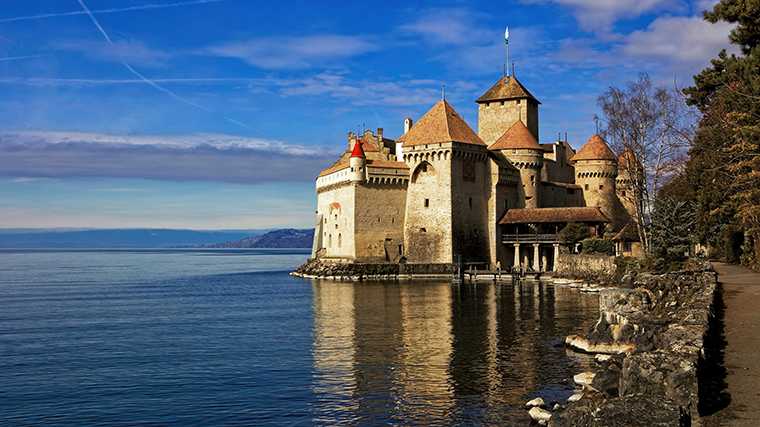
Montreux’s most famous attraction is the Château de Chillon, and it’s not hard to see why. This fairytale-like 13th-century castle is perfectly preserved and stands on a small island just south of Montreux. You can park your rental car along the road and then walk down a short flight of stairs to reach the castle along the shore of Lake Geneva. From that path, you’ll have the best view of the castle. The castle occupies a strategic position between the lake and high cliffs, along the only road to Italy, which made it possible to collect tolls at that location.
The mountains east of Montreux are dotted with forest trails, secluded villages, caves, and wildlife. You can go on fantastic hikes there. A real trek goes from the Hauts de Caux parking lot to Sonchaux and back, but there are also easier routes.
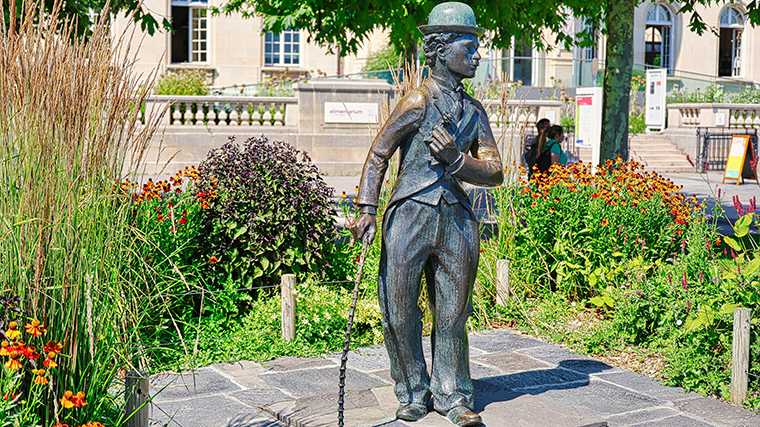
The legendary movie star Charlie Chaplin spent the last twenty years of his life in Vevey, just a short distance away along the lake. His estate is now a museum. Inside the house, you can see how Chaplin lived, and in the studio next door, his famous movie scenes have been recreated (with Chaplin as a wax figure), where you can even play a part yourself. Of course, you can also watch clips from his movies, and even today’s kids will laugh at the antics of the silent film hero.
13. Lausanne
If you’re starting this tour of Switzerland from Geneva, Lausanne is the first stop. When visiting this city, it’s best to park your rental car in the Flon entertainment district. From the parking garage (Parking Indigo), it’s a bit of a climb to the beautiful historic center, but you can also take the metro to Riponne or Bessières. Every Wednesday and Saturday, the old town transforms into a huge market, especially around Place de la Riponne.
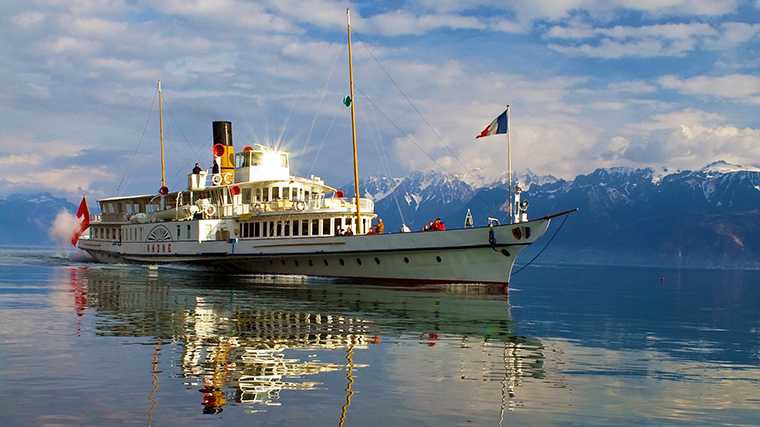
The Palais de Rumine houses several museums with collections on geology, zoology, and archaeology. From this imposing building, you can walk down various staircases to the Gothic cathedral, which was consecrated as a Catholic church in the thirteenth century. Since the sixteenth century, it has been used by the Protestant church, and many of the statues, paintings, and other decorations were removed at that time. The cathedral does, however, feature beautiful stained-glass windows.
Lausanne is home to the International Olympic Committee, and there is a museum dedicated to the history of the Games, from the original Olympic Games in ancient Greece to the present day. You’ll see various mascots and torches that have been used, as well as photos of famous athletes in action. The museum park borders Lake Geneva and is filled with sculptures related to sports.
14. Neuchâtel
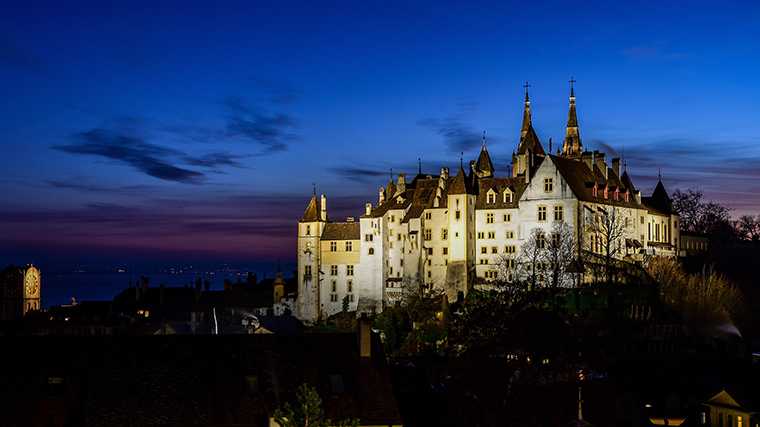
If you’ve rented a car in Switzerland, on most routes you have the choice between the highway and the main road, which usually runs parallel to it. This is certainly the case on the north side of Lake Neuchâtel, where the A5 highway and Main Road 5 run right along the shore. Not in a hurry? Then take the main road for the best views of the lake.
The medieval city center, with its narrow, cobblestone streets, is situated around the hill on which the Château de Neuchâtel stands. Construction of this castle began in the twelfth century, and it is still in use today, now serving as the cantonal government office. The Gothic church next to it, the Collégiale, dates from the same period. Of particular note is the sculpture Monument des Comtes et des Comtesses (Monument to the Counts and Countesses): fifteen nearly life-size painted figures of knights and ladies from Neuchâtel’s past.
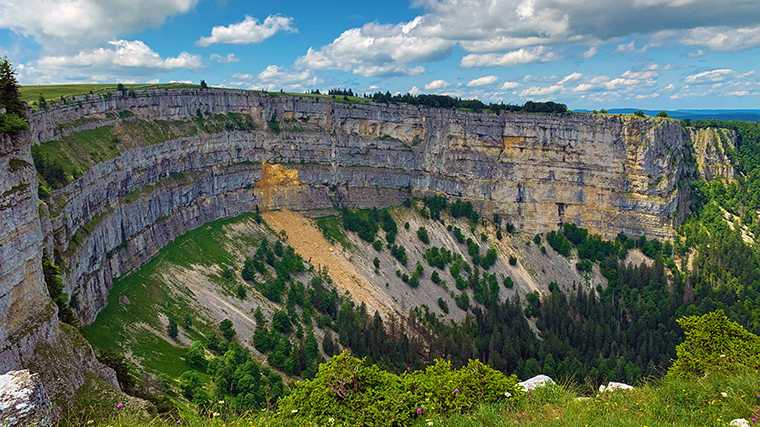
Many hiking and biking trails lead from Neuchâtel to the surrounding mountains of the Jura, including the Creux-du-Van, one of the canton’s landmarks. It is a steep rock face shaped like an amphitheater.
15. Bern
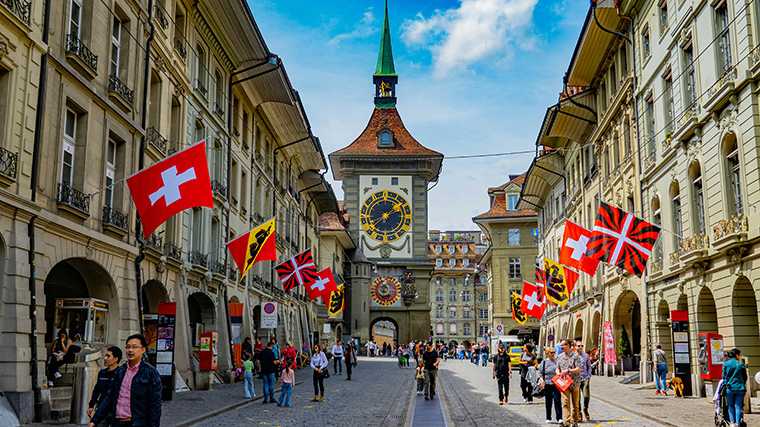
The Swiss capital, Bern, is often overlooked, but it is a gem of medieval architecture. The historic center was built along a sharp bend in the Aare River. The tower of the Gothic cathedral rises high above the city. Only the sculptures depicting The Last Judgment survived the iconoclasm of the sixteenth century. The arcades, with a total length of over six kilometers, are particularly noteworthy. In winter, you can easily reach the many cafés, restaurants, shops, and delicatessens via snow-free sidewalks. In the heart of the old town stands the Zytglogge, which features not only a regular clock but also an astronomical clock. Throughout the city, you’ll find themed fountains with accompanying statues, including Justice, the Messenger, Moses, and… the Child-Eater. If your child is being difficult, bring them here—this statue knows exactly what to do with them.
16. Gantrisch Nature Park
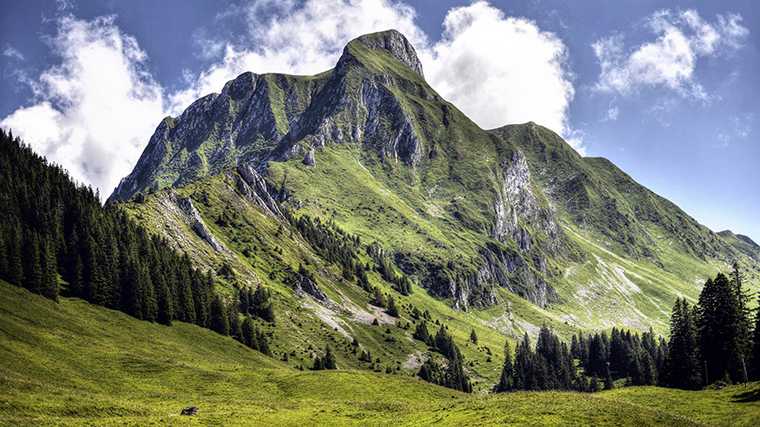
On the way from Bern to Interlaken, you’ll drive through the Bernese Oberland and past the Gantrisch Nature Park. If you have time, you can go on some wonderful excursions here: by rental car, but also on foot or by mountain bike. For children, there are various themed trails, not only through nature but also in the monastery ruins of Rüeggisberg. You’ll enjoy beautiful views from the Guggershörnli observation deck near Guggisberg.
17. Interlaken
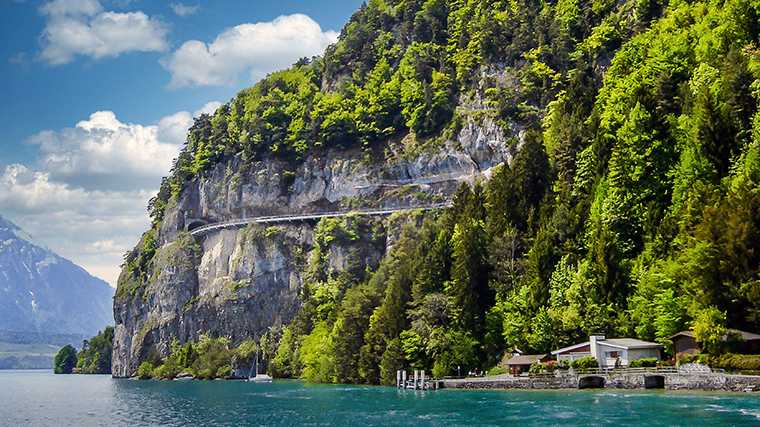
The beautiful town of Interlaken is situated between Lake Thun and Lake Brienz. We recommend driving from Thun in your rental car along the north shore of Lake Thun. You’ll pass theSt. Beatus Caves and the waterfall of the same name, right along the road. The illuminated paths in the caves are easy to walk and lead past roaring underground waterfalls, through narrow passages, and into stalactite and stalagmite-filled caves.
Interlaken is a great—albeit somewhat crowded—base for active adventures in the area. In addition to hiking or biking trips along the lakes, you can try exciting sports such as bungee jumping, paragliding, hang gliding, canyoning, rock climbing, and whitewater rafting. There are also various boat tours available, or you can rent a sailboat to sail on your own.
18. Lauterbrunnen
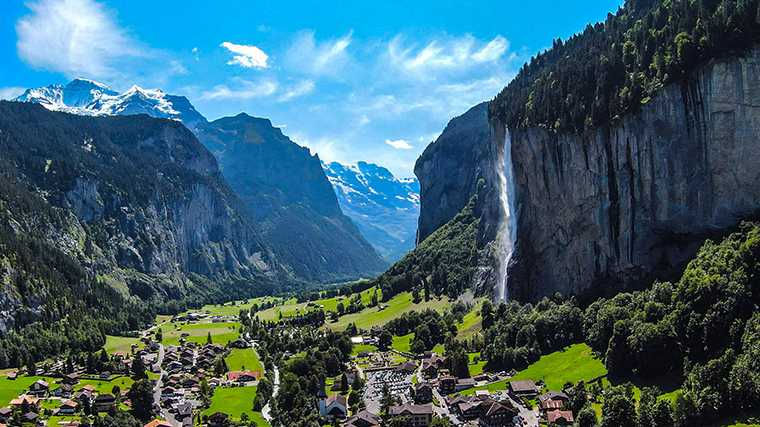
Lauterbrunnen is situated in a U-shaped valley with steep rock faces down which several waterfalls plunge. The most dramatic is the Staubbachfall, nearly 300 meters high, which plunges into the valley floor near the village church. The trail to the base of the waterfall is open only from June through October. Also very beautiful are the Trümmelbach Falls, a system of ten waterfalls, some of which are underground. You can explore them via footbridges, tunnels, and stairways. To reach the highest waterfalls, you can take an elevator.
Here it’s time again to leave your rental car behind and take a train ride. First, take the Wengernalpbahn to Kleine Scheidegg, and then the Jungfraubahn to the Jungfraujoch at an altitude of 3,454 meters—making it the highest railway line in Europe. From there, you’ll have a great view of the two tall mountains, the Mönch and the Jungfrau, as well as the Aletsch Glacier.
19. Stanserhorn
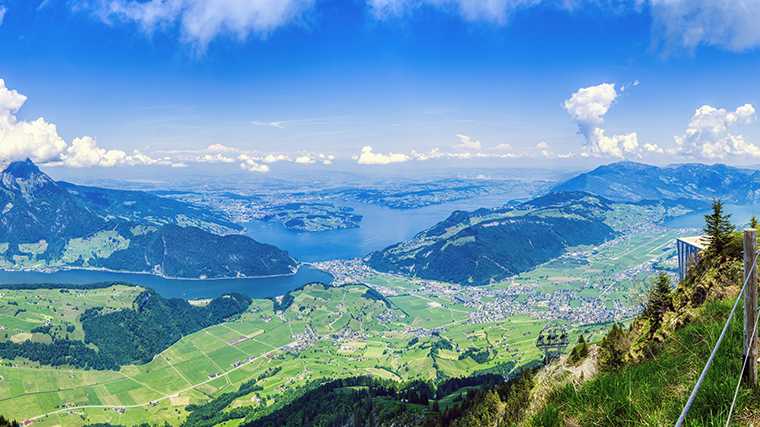
Stans is located about an hour’s drive northeast of Interlaken, and that’s where the trip up to the Stanserhorn begins. The ride up is a lot of fun, because you’ll spend the first part in a historic cable car cabin dating back to 1893. The second part is more modern and truly spectacular, as this cable car is a double-decker with an open upper deck! At the summit, you can enjoy panoramic views of the Alps and Lake Lucerne.
20. Lucerne
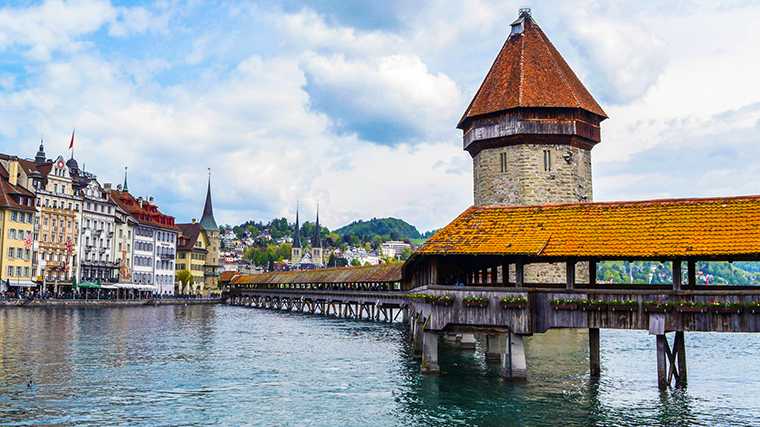
Lucerne is the final stop on this tour, more than fifty kilometers southwest of the starting point, Zurich. The city has a small but interesting historic center, where the covered wooden Kapellbrücke is the main attraction. The tower is still in its original condition, but it is not open to the public. You can, however, walk along Lucerne’s medieval city wall (Museggmauer) and visit four of the defensive towers. The Männliturm offers a panoramic view of the city. At the Verkehrshaus der Schweiz, visitors of all ages can enjoy themselves for hours. In addition to historic cars, trains, and airplanes, there are many interactive elements, including various simulators.
Autobahn Vignette in Switzerland
A toll vignette is required to drive on highways in Switzerland. The vast majority of rental cars already come with such an Autobahn Vignette, and you usually don’t have to pay for it separately. If you do have to pay for it, this will be stated in the terms and conditions, which you should always read carefully before booking a Swiss rental car online.

Where would you like to rent a car?
- 24000+ pick-up locations
- Free cancellation
- Independent comparator

Useful tips for a well-prepared trip
Which insurance should I choose, and what's the deal with the deposit? Read our articles with useful information and tips to ensure you choose the right rental car for you.